skateontareporter
By: Valya Roberts
I was fortunate to be a volunteer at the Milan Winter Olympics and witnessed Skate Ontario figure skaters on the podium and witnessed their pride. But that success comes with a price, for any athlete, and that is the risk of injury.
In figure skating, we often talk about the comeback after a fall. We celebrate the skater who gets up quickly, finds the music again and finishes the program with courage. But recovery in skating is much bigger than one moment on the ice. It is physical, mental and emotional, and it may be one of the most important conversations our sport needs to have as skaters train longer, compete later into life and navigate the pressures of growing up in a demanding environment.
Unlike many other passions that our children have (theatre, music, art), sports bring a risk of injury. In fact, there is not one Olympian, Canadian or Provincial champion that has not faced injury and recovery.
Younger elite athletes are more at risk of injuries due to the competitive strain that is put on growing bodies, so careful training and health management is needed. According to research on epidemiology and associated injury risk factors, lower limbs are the most common injury, specifically stress fractures of the tibia and fibula. In addition to the usual pulls, tears and strains from heavy training loads on young bodies.
Resilient skaters learn not to push through injuries but listen to their body and their support team, even if it means giving up on their first international competitions. One such figure skater is Tabatha Tripp from the Hamilton Skating Club. Tabatha, who has just turned fourteen, has already dealt with not one but two injuries that have caused setbacks.
A few years ago, a back injury resulted in repeating a year in Pre Novice and missing part of the season. However, she was able to make a comeback with the support of her coaches Jennifer Jackson and Bryce Davison, and finish 2nd in Canada. Unfortunately, another injury this past July also meant withdrawing from two key summer competitions.
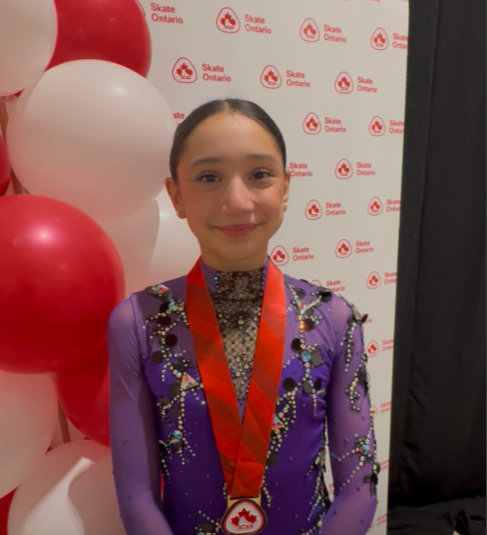
Tabatha Tripp
Thankfully, because of the change in age requirement for senior athletes to be at least 17, it allows time for the management of injuries and to deal with puberty. According to Tabatha’s mom Cecilia Tripp, this latest injury occurred just before she was going to compete in her first international competition. But it was a little different now because she is older mentally and physically. Cecilia states, “picking themselves up after these types of challenges is a little harder when they are older and dealing with puberty as well”. But working through these injuries has provided Tabatha, and other young skaters, with resilience because they have done it before, and know that with careful injury management they can come back better and stronger. Tabatha is hard back at training once again and looks forward to her next skating competition.
Mariessa Sherry-Startek, the parent of Skate Canada Next Generation team member Quinn Startek, also has experience dealing with significant injuries. She recommends that any parent not just focuses on the physical wellbeing of their child but also on the emotional and psychological impact. She suggests engaging with a sports therapist as part of the recovery team. It is not just the coaches on the ice, but the parents and therapists who need to support and help regain the confidence of the skater, to help them gain resilience.
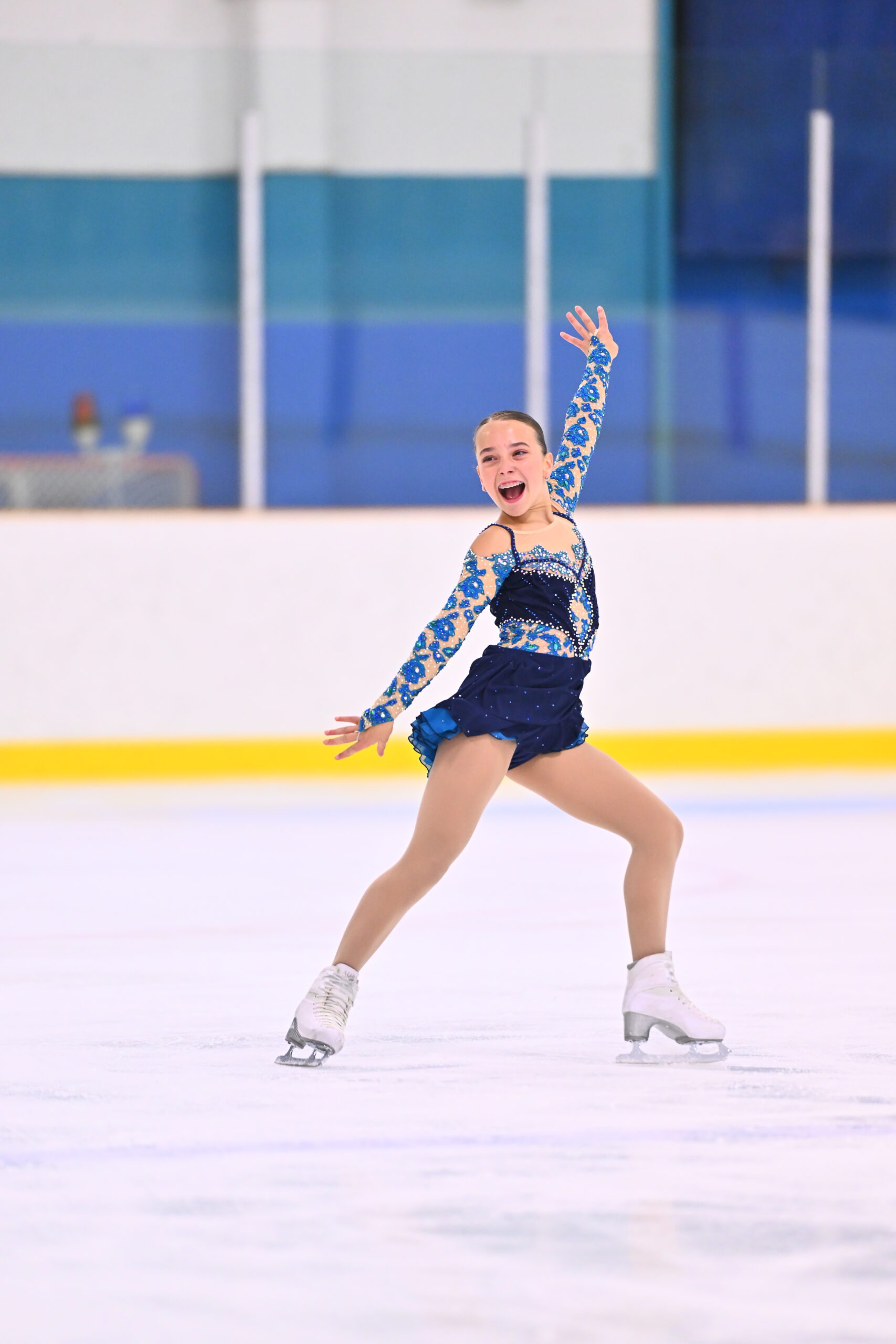
Quinn Startek
Safety for their athletes is a key focus for Skate Ontario, and Skate Canada has body positive guidelines that emphasize physical, psychological, and emotional safety for all athletes of every level and every age. The International Skating Union also focuses on athlete health topics such as injury prevention, mental fitness, and resilience.
It is important to ensure skaters are using proper equipment and learning not to ‘suck it up’ when they start to have a ‘niggle’ of pain in part of their body. They need to ensure they are eating enough protein and having a healthy diet for growing bodies and not delaying natural body development. This is one of the reasons why the ISU changed the age requirement for senior skaters, because too many 15 and 16-year-old skaters were retiring due to broken bodies. To keep talented young athletes in the sport and develop resilience, coaches and parents need to be involved in the health plan of the athlete. Coaches and parents are a key part of the recovery team, according to the parents of competitive skaters. According to Mariessa, “skating has many peaks and valleys”.
Recovery also includes how a skater is treated when progress is not linear. A missed jump, a growth spurt, an injury, or a difficult season should not define an athlete’s future. In fact, many older skaters show us that patience can lead to stronger skating, deeper artistry, and a more mature competitive presence. If we want athletes to stay in the sport beyond their teenage years, then we need a culture that makes room for setbacks, rebuilding, and different timelines.
Resilience in skating should not mean surviving the sport. It should mean being supported well enough to grow through puberty and beyond. As figure skating continues to evolve toward older, stronger, and more complete athletes, recovery must become part of the training plan, not an afterthought. The skaters who learn how to rest, adapt and return may be the ones who stay the longest, skate with the most joy and show the next generation that strength is not only found in landing the jump, but also in how we rise after the hard moments.
Valya is a Skate Ontario reporter, serial skating fan, international sports volunteer, avid traveler and an Executive Director of a Social Service Agency.

Previous Post
Xi’an Worth the Trip for Skate Ontario Skaters
Never Miss an Update
Be the first to know about upcoming Skate Ontario events and special updates—subscribe today!
By submitting this form, you are consenting to receive marketing emails from: . You can revoke your consent to receive emails at any time by using the SafeUnsubscribe® link, found at the bottom of every email. Emails are serviced by Constant Contact



Monday – Friday
8:00 am – 4:00 pm